TxSSC
School Behavioral Threat Assessment Toolkit
10.0 Encouraging Reporting: Overcoming the Bystander Effect
Identifying persons and situations of concern depends, in large part, upon the willingness and ability of the school community or campus community to overcome the “bystander effect” and report concerns. The “bystander effect” is when someone sees or hears of someone in trouble, or they see a problem, but fail to help, get involved, or intervene because they think someone else will.
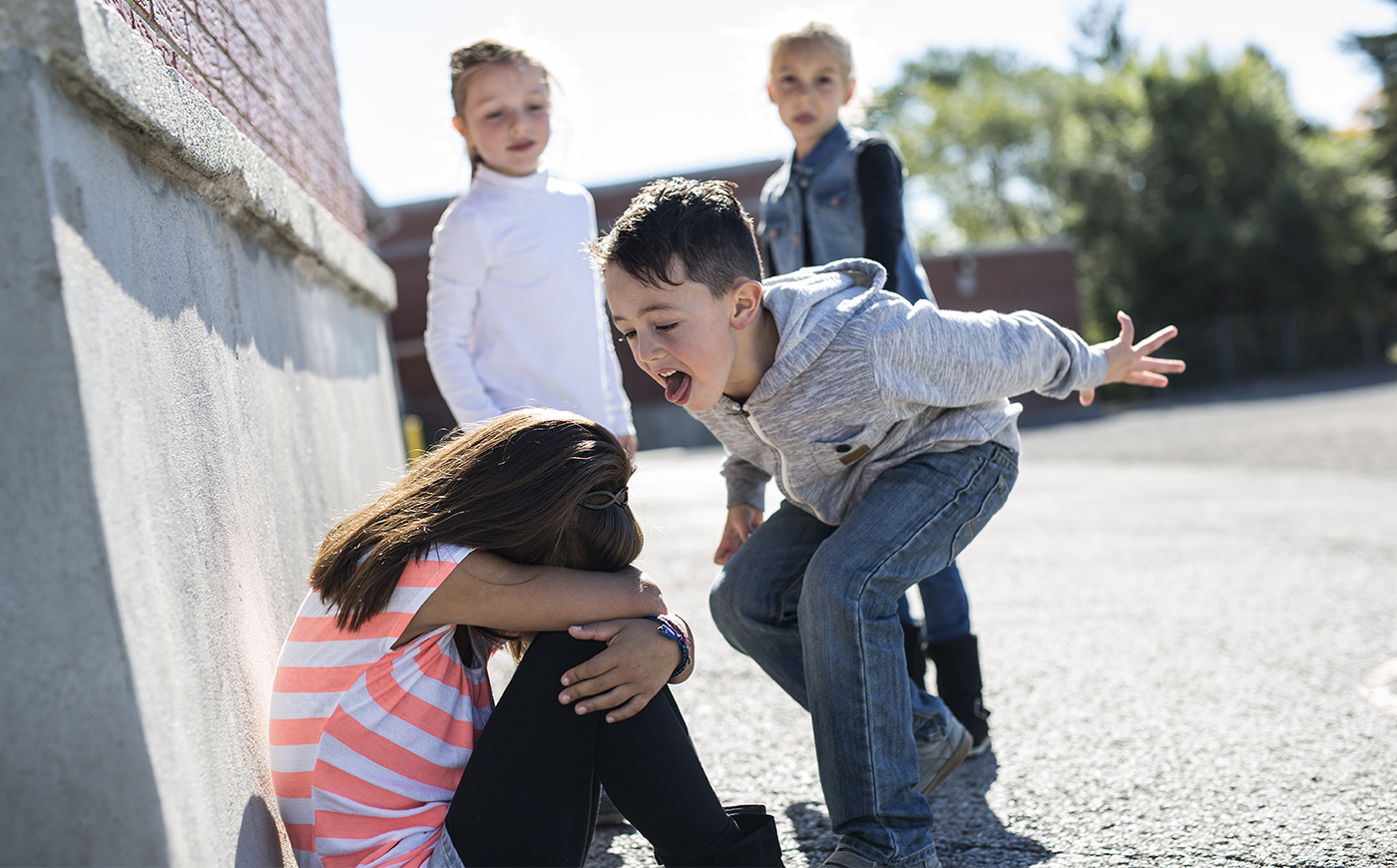
To help bystanders be more actively engaged in supporting the safety and well-being of the school, members of the community need to know:
It is everyone’s role and responsibility to share concerns.
Everyone has a role to recognize concerns, respond in a helpful manner, and report concerns to persons who can best help the situation.What to report.
While there is no single list of behaviors that may cause concern, providing examples of concerns the team can assist with helps community members better recognize, respond, and report concerns appropriately. The documents below, released by the U.S. Department of Homeland Security in November 2019 and March 2021, show commonalities among individuals plotting and committing acts of targeted school violence:Where (and with whom) to report.
Community members need to know where, how, and with whom they should share concerns. Schools need multiple mechanisms to foster reporting and awareness of concerns. Within Texas schools, a clear procedure for students to report concerning behaviors must be established.Reports are wanted and will be acted upon.
All community members need to know that reports are welcomed, even if the situation is ultimately determined not to be a threat. School communities are more likely to come forward when anonymity is respected and concerns are addressed.Ongoing Training and Education.
Regular training is essential to ensure all staff and students understand threat assessment processes and reporting procedures. Given the high mobility of staff and students in schools, training should be provided continuously throughout the year.Students in Texas are required to receive instruction on how to recognize concerning behaviors. It is also important to clearly explain the difference between “reporting” and “snitching,” particularly when students are attempting to help someone or keep others safe.
Guidance on What can be Reported
Any information that is concerning, troubling, or upsetting should be reported to the threat assessment team, administrator, teacher, or tip line. Examples include, but are not limited to:
- Threatening statements, gestures, and/or artistic impressions.
- Bullying and cyberbullying.
- Persons with ongoing, unresolved grievances with members of the school community.
- Unusual or bizarre communications or behavior.
- Information about someone expressing thoughts, plans, or preparations for violence.
- Concerns that someone may harm themselves.
- Behavior that significantly disrupts the learning or working environment.
- Behavior that seems troubling or disturbing.
- Persons seeming isolated and alienated from others.
- Anyone unknown to the school.
- Anything out of the ordinary.
The Department of Homeland Security Office of Intelligence and Analysis developed the diagram, a Behavioral Approach to Violence Prevention, which depicts behaviors that may indicate concerns, heightened concerns, and imminent concerns. The categories represent some common threatening or potentially concerning behaviors identified across a wide variety of completed and averted acts of targeted violence. Although the presence alone may not indicate violence, they may suggest that the individual could benefit from intervention and support.
To review this diagram, please see:
Reporting Sources
The team may consider establishing liaisons with groups outside of school to educate them about the threat assessment team and encourage sharing of concerning information. Be sure to provide access to mechanisms that allow for anonymous reporting.
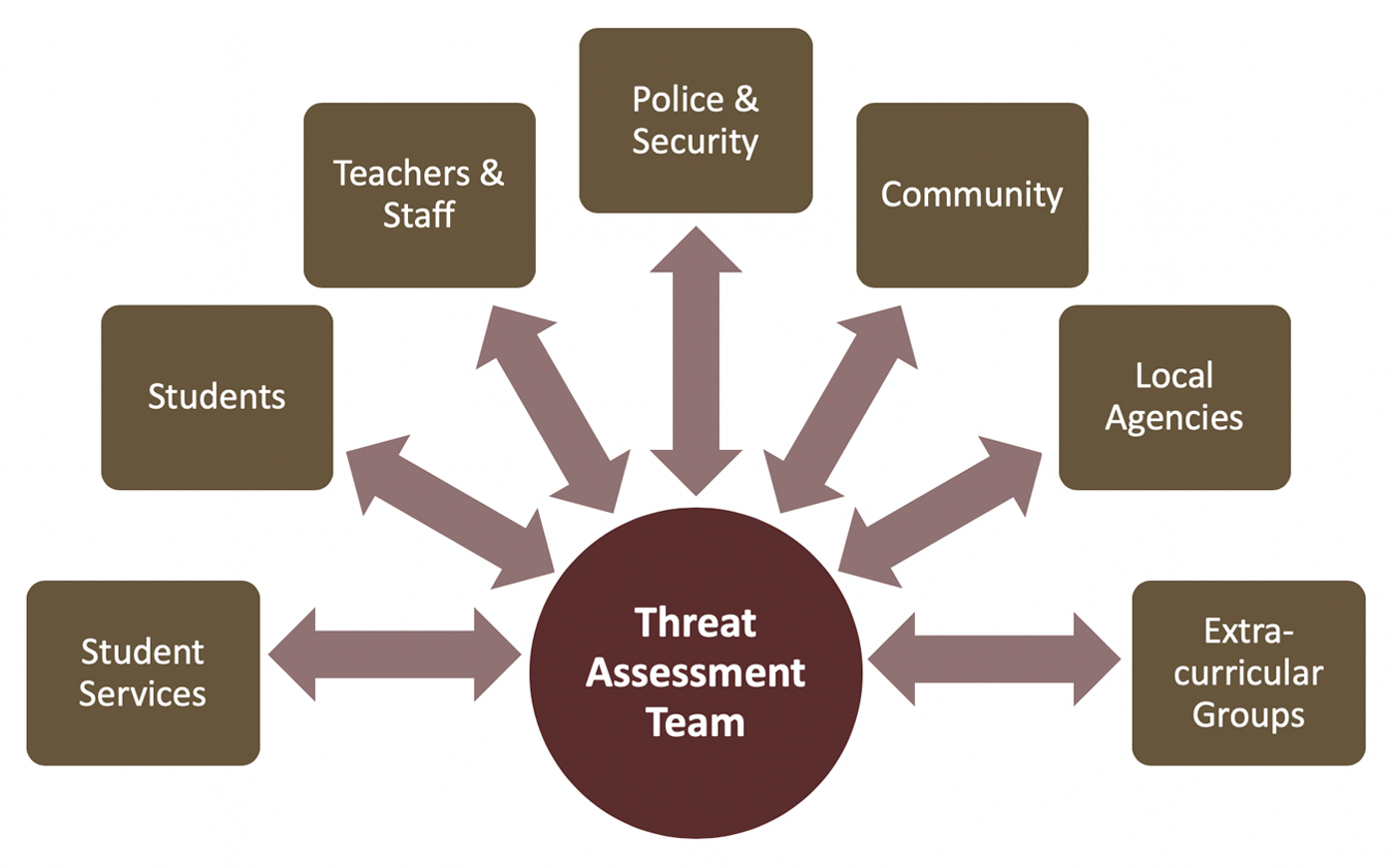
The diagram above shows examples of various sectors and sources of information, both inside and outside of school, that may report concerns to the threat assessment team.
Ongoing Training and Education
Encouraging reporting can be accomplished through various mechanisms such as general awareness training for the entire school, providing multiple ways to report a concern to the team, and notification to parents.
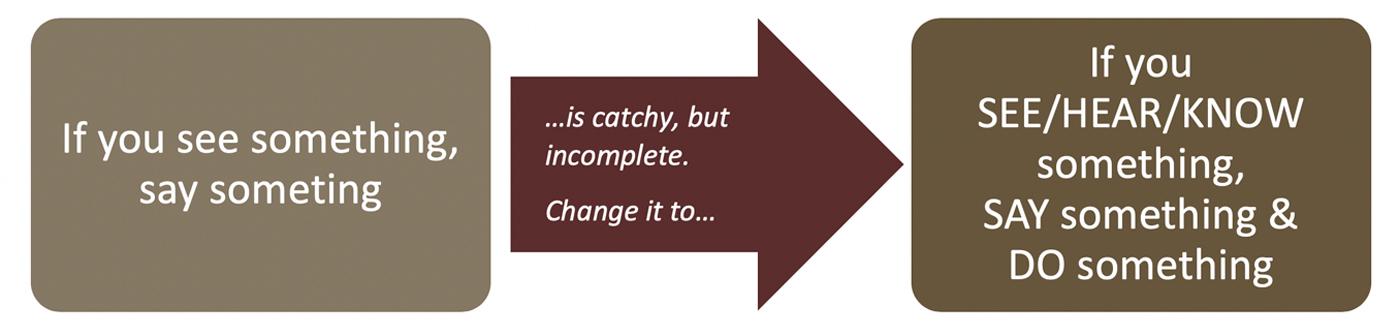
Administrators, threat assessment team members, and key gatekeepers should regularly seek opportunities to build awareness of, and engagement with the threat assessment process. Examples of strategies to support this effort include:
The Bullying Checklist for Schools
In the event that the threat assessment team receives information about potential bullying behavior, the Bullying Checklist for Schools can be used to determine whether a situation qualifies as bullying or cyberbullying per Texas law.